Bone Grafting
Insufficient jawbone prevents secure implant placement or leads to facial collapse. Using premium regenerative materials and advanced 3D planning, we rebuild bone volume with minimally invasive grafting. The high-tech process is comfortable, promotes natural integration, and creates a strong foundation for long-term dental health.
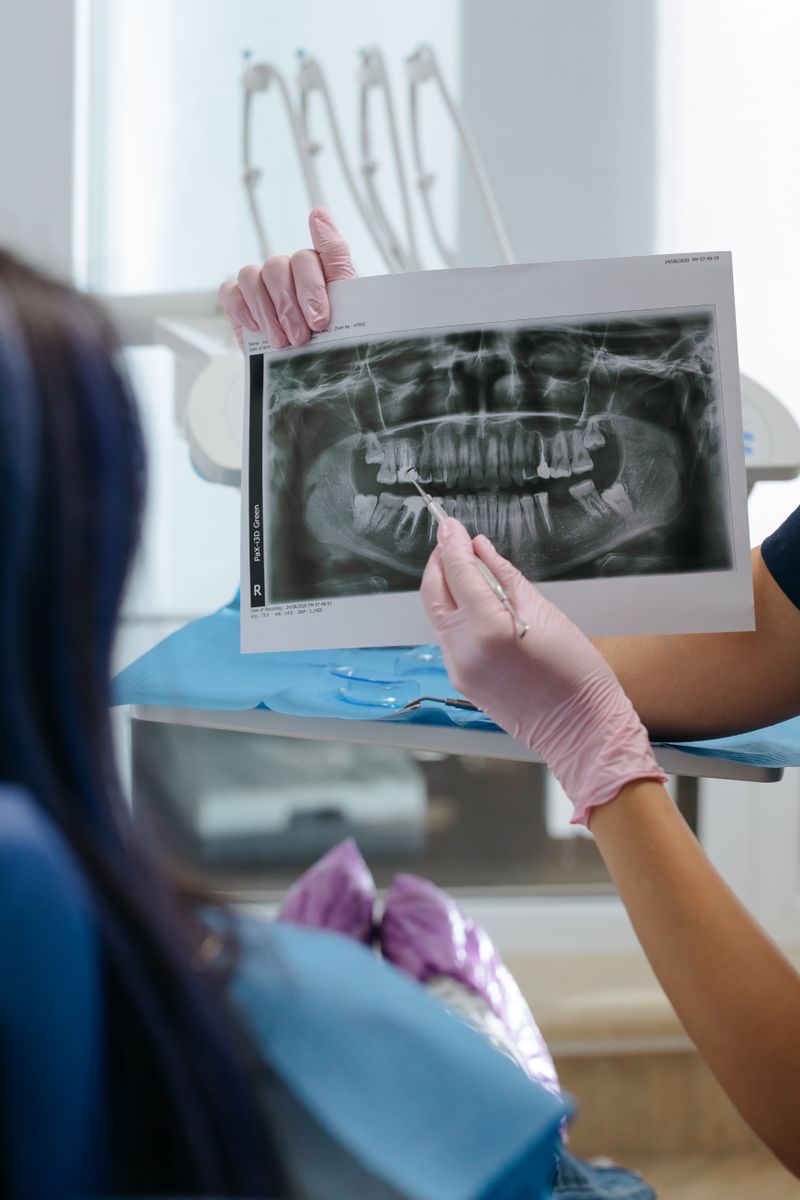
Bone grafting is a restorative procedure that helps patients in a variety of ways. When it comes to oral health, it is often used for bridges, dental implants, and more. There are a few factors that may determine how successful the restoration is. These include the depth, height, and width of the jawbone at the implant site. If the jawbone has sustained significant damage or receded, the implant or implants cannot be properly supported. For these situations, a bone graft may be recommended.
Factors That Affect Jawbone Volume Some of the major factors that affect jawbone volume include: Periodontal Disease – Periodontal disease can cause permanent damage to the jawbone of a patient. This damage can get progressively worse, causing the teeth to eventually become unstable. Tooth Extraction – Patients that have experienced a tooth extraction often lose around 40-60% of the surrounding bone within three years. This results in what is called a “bone defect.” Injuries and Infections –Injuries that are a result of a blow to the jawbone can cause bone recession. Infections can also cause the jawbone to recede.
Reasons for Bone Grafts While a bone grafting procedure is not guaranteed to be successful, it is highly successful in most cases. It is also a great alternative to having diseased teeth, missing teeth, or tooth deformities. Bone grafting can increase the width or height of the jawbone and fill defects and voids in the bone. The two basic ways in which bone grafting can positively impact the stability and health of teeth include: Jaw Stabilization –A bone grafting procedure stabilizes and helps to restore the jawbone for implant and restorative surgeries. Restructuring of the jawbone can help provide added support and correct deformities. Preservation – Bone grafting is helpful for preventing bone recession following an extraction procedure, periodontal disease, or other invasive processes. Oral Examination Your dentist will first perform an oral examination of the area in which the bone grafting is planned to take place. During this examination, your dentist will check the condition of your gums and teeth. If you have periodontal disease or your surrounding teeth are in poor condition, your dentist will address these issues before moving on to the bone grafting procedure. Once they are addressed, your dentist can begin. Dr. Rana Baroudi will perform panoramic x-rays to assess the precise width and depth of the existing bone. A CAT scan may be recommended to better determine the condition of the bone. Your dentist may also anesthetize the area and check the gums to determine how much and what kind of bone is required.
Grafting Procedure Overview
Our Advanced Techniques & Top-of-the-Line Approach
Every procedure is performed with cutting-edge technology and premium materials by board-certified periodontists.
- • LANAP™ & LAPIP™ Laser Therapy – FDA-cleared, minimally invasive laser treatment for gums and failing implants with faster healing and less discomfort.
- • 3D CBCT Imaging & Guided Surgery – Precise planning for optimal outcomes in implants, grafts, and complex cases.
- • Premium Regenerative Materials – High-quality bone grafts, membranes, and biocompatible options for superior integration.
- • Minimally Invasive & Sedation Options – IV and oral sedation, gentle techniques to ensure your comfort and rapid recovery.
- • State-of-the-Art Sterilization & Monitoring – Highest standards for safety in every therapy.
- • Customized, Evidence-Based Care – Tailored plans combining the best of traditional expertise and modern innovation.
Whether placing top-of-the-line dental implants or performing advanced laser periodontal therapy, we use only the highest quality systems and protocols for lasting results.
Procedure Details
Reasons for Bone Grafts While a bone grafting procedure is not guaranteed to be successful, it is highly successful in most cases. It is also a great alternative to having diseased teeth, missing teeth, or tooth deformities. Bone grafting can increase the width or height of the jawbone and fill defects and voids in the bone. The two basic ways in which bone grafting can positively impact the stability and health of teeth include: Jaw Stabilization –A bone grafting procedure stabilizes and helps to restore the jawbone for implant and restorative surgeries. Restructuring of the jawbone can help provide added support and correct deformities. Preservation – Bone grafting is helpful for preventing bone recession following an extraction procedure, periodontal disease, or other invasive processes. Oral Examination Your dentist will first perform an oral examination of the area in which the bone grafting is planned to take place. During this examination, your dentist will check the condition of your gums and teeth. If you have periodontal disease or your surrounding teeth are in poor condition, your dentist will address these issues before moving on to the bone grafting procedure. Once they are addressed, your dentist can begin. Dr. Rana Baroudi will perform panoramic x-rays to assess the precise width and depth of the existing bone. A CAT scan may be recommended to better determine the condition of the bone. Your dentist may also anesthetize the area and check the gums to determine how much and what kind of bone is required.
Benefits
- While a bone grafting procedure is not guaranteed to be successful, it is highly successful in most cases
- It is also a great alternative to having diseased teeth, missing teeth, or tooth deformities
- Bone grafting can increase the width or height of the jawbone and fill defects and voids in the bone
- The two basic ways in which bone grafting can positively impact the stability and health of teeth include: Jaw Stabilization –A bone grafting procedure stabilizes and helps to restore the jawbone for implant and restorative surgeries
- Restructuring of the jawbone can help provide added support and correct deformities
- Preservation – Bone grafting is helpful for preventing bone recession following an extraction procedure, periodontal disease, or other invasive processes
- Oral Examination Your dentist will first perform an oral examination of the area in which the bone grafting is planned to take place
Let's Take the Next Step Together
Whether you're noticing symptoms or just want peace of mind, we're here to listen and help. Our team will explain everything clearly and make sure you feel comfortable every step of the way.
Schedule Your VisitMost appointments can be scheduled within a few days.