Crown Lengthening
Short teeth or excess gum can make restorations look unnatural or trap bacteria. Using advanced precision tools and laser technology, we gently reshape gum and bone to reveal more natural tooth structure. The comfortable, high-tech procedure improves both health and aesthetics with fast, predictable healing.
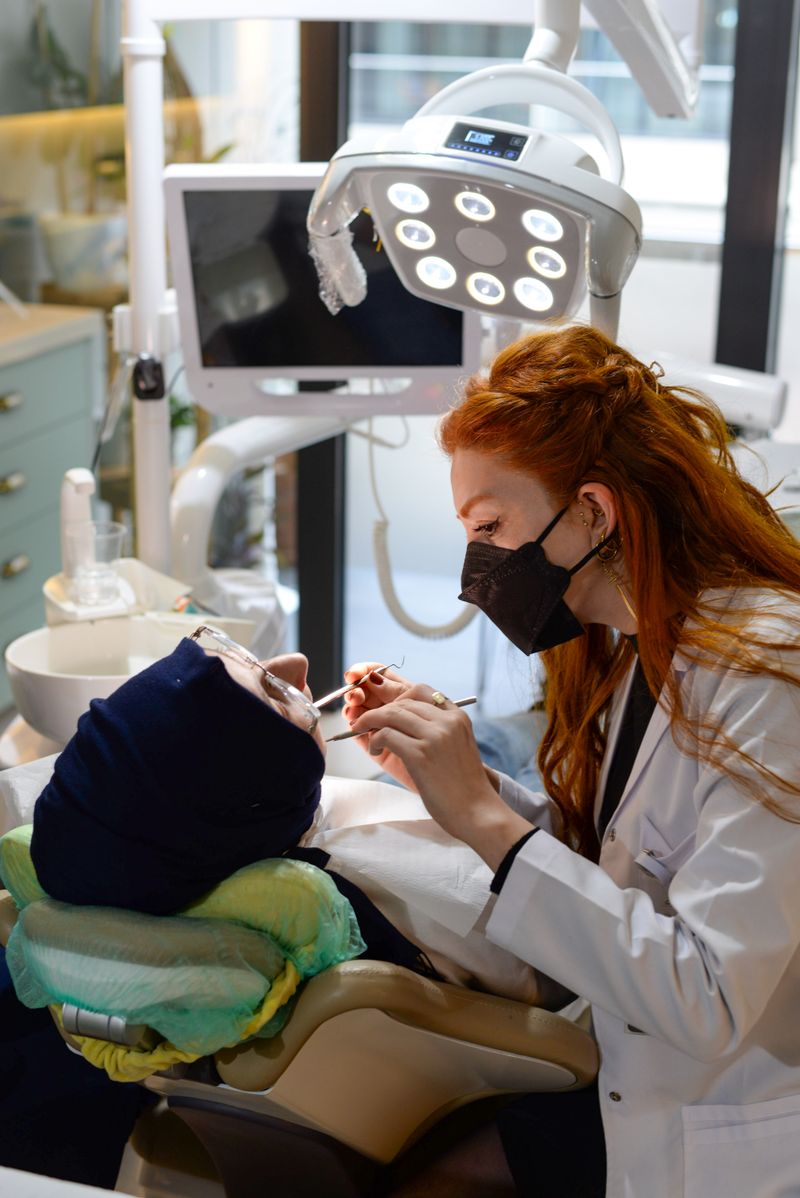
Crown lengthening is a procedure that is generally performed to improve the health of gum tissue or prepare the mouth for cosmetic or restorative procedures. Crown lengthening procedures can also be used to help with correcting a “gummy” smile (which refers to when teeth are covered by excessive gum tissue). Crown lengthening exposes more of the natural tooth of a patient by recontouring or reshaping the bone and gum tissue. This treatment can be performed on one tooth, several teeth, or even the entire gum line. This leads to a lovely smile.
Reasons for Crown Lengthening Crown lengthening is a common procedure that has lots of benefits and effective uses. The majority of patients that have undergone crown lengthening surgery are happy with the results. Here are some of the most common reasons for crown lengthening: Restoration of damaged teeth – Periodontal disease can cause massive damage to the teeth of the patient, as well as trauma and decay. Crown lengthening can be used to prepare an area for restoration to correct damage that has been done to teeth beneath the gum line. Cosmetic uses – When patients have extra gum tissue, it can cause teeth to look unnaturally short. It can also increase the susceptibility they have to periodontal disease. By removing excess gum tissue, the aesthetic appearance and health of the gums are improved. Dental crowns – Crown lengthening provides increased space between the dental crown and supporting jawbone. This prevents the new crown from damaging gum tissues and bone after it is placed.
What Does Crown Lengthening Involve? Before the crown lengthening procedure begins, the dentist will generally provide local anesthetic. The dentist makes a series of small incisions around the soft tissue to separate the gums from the teeth. Even if only one tooth needs to be re-contoured, the neighboring teeth are treated to provide a more even reshaping. By separating the gums, the dentist has access to the roots of the teeth and underlying bone. In some cases, the removal of a small amount of tissue will provide enough exposure to place a dental crown. Other times, the dentist will also need to remove a small amount of bone from around the patient’s teeth. The bone is often removed with a combination of special hand and rotary instruments. The rotary instrument looks similar to the drill used in cavity treatment. Once the dentist is satisfied with the teeth exposure, the wound is cleaned with sterile water. The gum tissue is then sutured with small stitches. The teeth will look noticeably longer right after surgery, as the gums have now been repositioned. The dentist secures the surgical site with the use of a periodontal (intraoral) bandage. This prevents infection. The dentist may provide prescriptions for pain medication. An antimicrobial mouth rinse may be provided to help reduce bacteria. An ice pack may be used for the first few hours after the procedure to help with swelling. It’s important to alternate the use of an ice pack on and off for about 20 minutes at a time. You’ll also want to avoid hot foods for a day after surgery. When you brush, be very careful. Follow all brushing and aftercare instructions provided by your dentist. It’s normal to experience some minor bleeding. If your bleeding is excessive, though, contact our office. The site of the surgery will be healed in around two to three months. How long the procedure takes will depend on the number of teeth involved and whether a small amount of bone will need to be removed in addition to the so
What Crown Lengthening Involves
Our Advanced Techniques & Top-of-the-Line Approach
Every procedure is performed with cutting-edge technology and premium materials by board-certified periodontists.
- • LANAP™ & LAPIP™ Laser Therapy – FDA-cleared, minimally invasive laser treatment for gums and failing implants with faster healing and less discomfort.
- • 3D CBCT Imaging & Guided Surgery – Precise planning for optimal outcomes in implants, grafts, and complex cases.
- • Premium Regenerative Materials – High-quality bone grafts, membranes, and biocompatible options for superior integration.
- • Minimally Invasive & Sedation Options – IV and oral sedation, gentle techniques to ensure your comfort and rapid recovery.
- • State-of-the-Art Sterilization & Monitoring – Highest standards for safety in every therapy.
- • Customized, Evidence-Based Care – Tailored plans combining the best of traditional expertise and modern innovation.
Whether placing top-of-the-line dental implants or performing advanced laser periodontal therapy, we use only the highest quality systems and protocols for lasting results.
Procedure Details
What Does Crown Lengthening Involve? Before the crown lengthening procedure begins, the dentist will generally provide local anesthetic. The dentist makes a series of small incisions around the soft tissue to separate the gums from the teeth. Even if only one tooth needs to be re-contoured, the neighboring teeth are treated to provide a more even reshaping. By separating the gums, the dentist has access to the roots of the teeth and underlying bone. In some cases, the removal of a small amount of tissue will provide enough exposure to place a dental crown. Other times, the dentist will also need to remove a small amount of bone from around the patient’s teeth. The bone is often removed with a combination of special hand and rotary instruments. The rotary instrument looks similar to the drill used in cavity treatment. Once the dentist is satisfied with the teeth exposure, the wound is cleaned with sterile water. The gum tissue is then sutured with small stitches. The teeth will look noticeably longer right after surgery, as the gums have now been repositioned. The dentist secures the surgical site with the use of a periodontal (intraoral) bandage. This prevents infection. The dentist may provide prescriptions for pain medication. An antimicrobial mouth rinse may be provided to help reduce bacteria. An ice pack may be used for the first few hours after the procedure to help with swelling. It’s important to alternate the use of an ice pack on and off for about 20 minutes at a time. You’ll also want to avoid hot foods for a day after surgery. When you brush, be very careful. Follow all brushing and aftercare instructions provided by your dentist. It’s normal to experience some minor bleeding. If your bleeding is excessive, though, contact our office. The site of the surgery will be healed in around two to three months. How long the procedure takes will depend on the number of teeth involved and whether a small amount of bone will need to be removed in addition to the so
Benefits
- Restoration of damaged teeth – Periodontal disease can cause massive damage to the teeth of the patient, as well as trauma and decay. Crown lengthening can be used to prepare an area for restoration to correct damage that has been done to teeth beneath the gum line.
- Cosmetic uses – When patients have extra gum tissue, it can cause teeth to look unnaturally short. It can also increase the susceptibility they have to periodontal disease. By removing excess gum tissue, the aesthetic appearance and health of the gums are improved.
- Dental crowns – Crown lengthening provides increased space between the dental crown and supporting jawbone. This prevents the new crown from damaging gum tissues and bone after it is placed.
Let's Take the Next Step Together
Whether you're noticing symptoms or just want peace of mind, we're here to listen and help. Our team will explain everything clearly and make sure you feel comfortable every step of the way.
Schedule Your VisitMost appointments can be scheduled within a few days.