Gum Tissue Grafting
Receding gums expose roots, causing sensitivity, decay risk, and an aged appearance. Our advanced soft tissue grafting uses your own tissue or premium allografts with precise microsurgical techniques. This high-tech, comfortable approach covers roots, reduces sensitivity, and restores a healthy, youthful gum line with excellent healing.
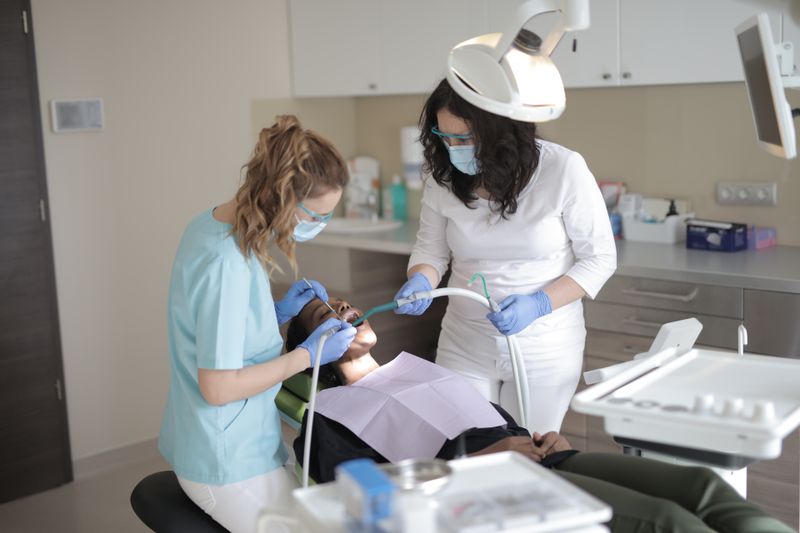
Also known as gingival grafts or periodontal plastic surgeries, gum grafting procedures refer to surgical periodontal procedures that are intended to cover an exposed tooth root surface with grafted oral tissue. There are a few causes for gingival recession and exposed tooth roots. Often, periodontal disease is the culprit. There are other causes, though, like trauma, aggressive brushing, and more. The reason for the gum grafting procedure and other considerations will factor into the type of gum grafting that will be recommended to address the issue.
Types of Gum Grafting Some of the most common types of gum grafting include: Free gingival graft – Gingival grafting is often used to help with thickening gum tissue. A layer of gum tissue is removed from the palate and is then relocated to the area where the gum recession is occurring. Both sites heal quickly and there is no permanent damage. Acellular dermal matrix allograft – The acellular dermal matrix allograft procedure uses medically processed, donated tissue as a source for the graft. The advantage of this is that there is no need to use the patient’s palate as a donor site. This means less pain. Subepithelial connective tissue graft – For covering exposed roots, this procedure is a common option. The tissue is removed in a relatively painless way from the outer layer of the palate and relocated to the gum recession site.
The Reasons for Gum Grafting Gum grafting is actually a pretty common procedure and is very safe. There are some great benefits associated with gum grafting. These include: Improved gum health – Periodontal disease can destroy gum tissue and progress rapidly. If it isn’t properly treated, a large amount of gum tissue can be lost in a quick period of time. Gum grafting is helpful with halting both tissue and bone loss. It prevents further problems and protects exposed gum roots from additional decay. Reduced sensitivity –Having a tooth root exposed can lead to additional sensitivity when eating or drinking cold or hot food or drinks. Gum grafting surgery covers the exposed root, which reduces discomfort and restores the health of the gums. Improved appearance – Gum recession can make the teeth look longer and more “toothy.” A gum graft helps to restore the appearance of the patient’s teeth by making them look more natural.
Grafting Procedure Overview
Our Advanced Techniques & Top-of-the-Line Approach
Every procedure is performed with cutting-edge technology and premium materials by board-certified periodontists.
- • LANAP™ & LAPIP™ Laser Therapy – FDA-cleared, minimally invasive laser treatment for gums and failing implants with faster healing and less discomfort.
- • 3D CBCT Imaging & Guided Surgery – Precise planning for optimal outcomes in implants, grafts, and complex cases.
- • Premium Regenerative Materials – High-quality bone grafts, membranes, and biocompatible options for superior integration.
- • Minimally Invasive & Sedation Options – IV and oral sedation, gentle techniques to ensure your comfort and rapid recovery.
- • State-of-the-Art Sterilization & Monitoring – Highest standards for safety in every therapy.
- • Customized, Evidence-Based Care – Tailored plans combining the best of traditional expertise and modern innovation.
Whether placing top-of-the-line dental implants or performing advanced laser periodontal therapy, we use only the highest quality systems and protocols for lasting results.
Procedure Details
The Reasons for Gum Grafting Gum grafting is actually a pretty common procedure and is very safe. There are some great benefits associated with gum grafting. These include: Improved gum health – Periodontal disease can destroy gum tissue and progress rapidly. If it isn’t properly treated, a large amount of gum tissue can be lost in a quick period of time. Gum grafting is helpful with halting both tissue and bone loss. It prevents further problems and protects exposed gum roots from additional decay. Reduced sensitivity –Having a tooth root exposed can lead to additional sensitivity when eating or drinking cold or hot food or drinks. Gum grafting surgery covers the exposed root, which reduces discomfort and restores the health of the gums. Improved appearance – Gum recession can make the teeth look longer and more “toothy.” A gum graft helps to restore the appearance of the patient’s teeth by making them look more natural.
Benefits
- Improved gum health – Periodontal disease can destroy gum tissue and progress rapidly. If it isn’t properly treated, a large amount of gum tissue can be lost in a quick period of time. Gum grafting is helpful with halting both tissue and bone loss. It prevents further problems and protects exposed gum roots from additional decay.
- Reduced sensitivity –Having a tooth root exposed can lead to additional sensitivity when eating or drinking cold or hot food or drinks. Gum grafting surgery covers the exposed root, which reduces discomfort and restores the health of the gums.
- Improved appearance – Gum recession can make the teeth look longer and more “toothy.” A gum graft helps to restore the appearance of the patient’s teeth by making them look more natural.
Let's Take the Next Step Together
Whether you're noticing symptoms or just want peace of mind, we're here to listen and help. Our team will explain everything clearly and make sure you feel comfortable every step of the way.
Schedule Your VisitMost appointments can be scheduled within a few days.