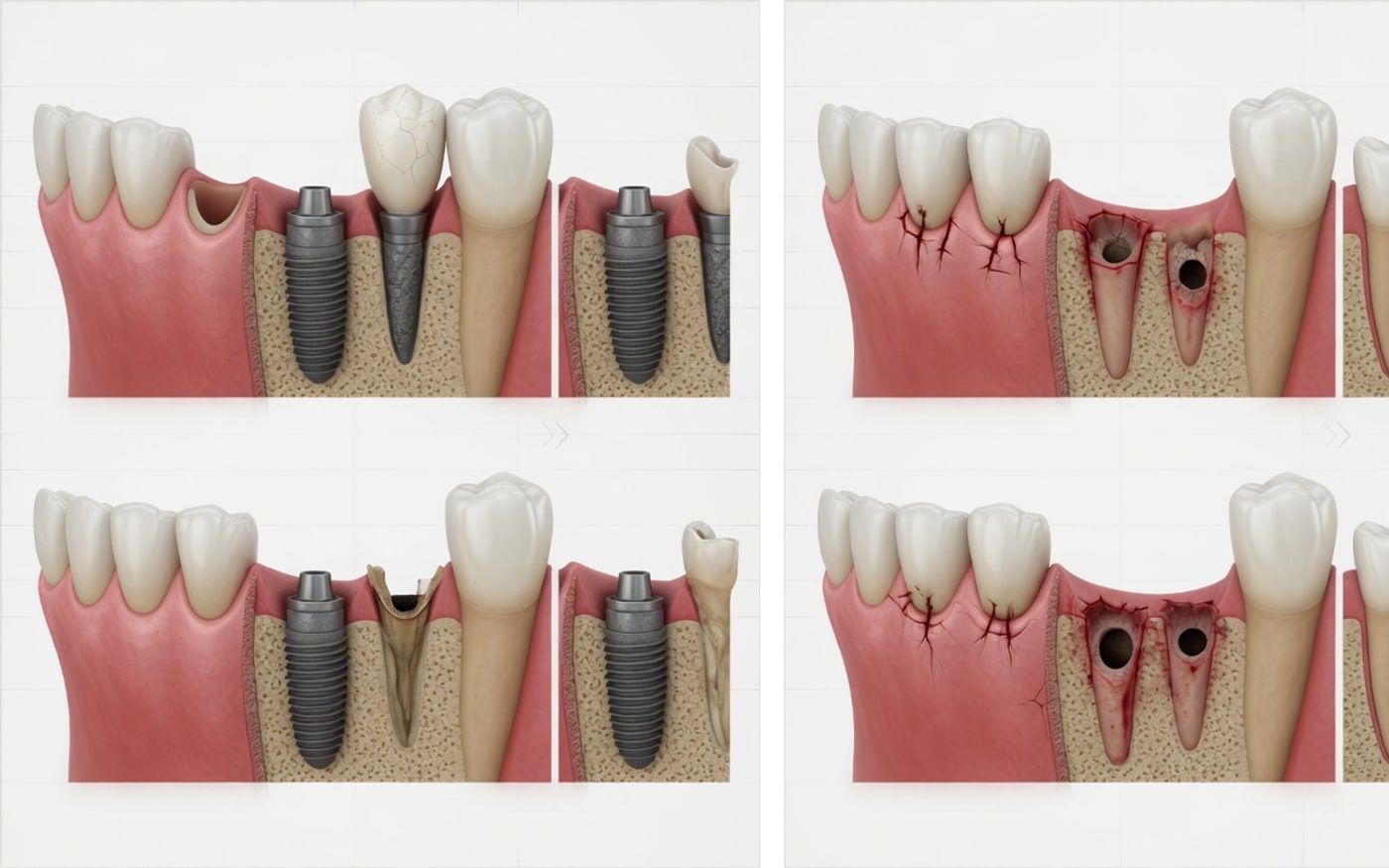
Dental Implants Explained
Dental implants involve a surgical process that substitutes a missing tooth’s root with a titanium post that resembles a screw. This implant is then topped with a crown that blends seamlessly with your natural teeth, providing a sturdy and long-lasting answer to tooth loss. Dental implants offer an alternative to bridges and dentures, offering a more enduring and comfortable option.
The Technology Behind Dental Implants
Dental implants have evolved through decades of scientific research and technological advancements. These innovations ensure the precision and reliability of the procedure:
- Material Advancements: While most dental implants are made of titanium due to its biocompatibility, recent advancements have introduced zirconia, which, being white, might appeal to those who have thin gums and fear the grey hue of titanium showing through.
- Digital Imaging: Modern dental clinics use advanced digital imaging techniques to visualize the jawbone structure, ensuring precise implant placement.
- Guided Surgery: Some dental professionals use surgical guides, printed based on digital planning, to enhance the accuracy of implant positioning.
Advantages of Dental Implants
Longevity
Unlike dentures, dental implants are intended to last a lifetime. They bond with your jawbone, guaranteeing they won’t move or slide when you’re eating or talking.
Aesthetically Pleasing
Dental implants look incredibly similar to your real teeth, enhancing your smile and self-esteem.
Preserves Jawbone Health
When a tooth is absent, the jawbone area beneath starts to deteriorate. Dental implants halt this bone loss, fostering overall oral health.
Post-Implant Care and Maintenance
Ensuring the longevity and performance of dental implants extends beyond the surgical procedure:
- Routine Check-ups: Regular dental appointments ensure that the implant is in good condition and free from potential complications.
- Oral Hygiene: Brushing, flossing, and using an antimicrobial mouth rinse can prevent bacterial growth and potential infections around the implant site.
- Avoiding Stress: Using protective devices during sports and avoiding using the implant as a tool (like for opening bottles) can prolong its life.
Disadvantages of Dental Implants
Higher Initial Costs
The upfront costs of dental implants are typically higher than other dental restorative methods. However, when viewed as a long-term investment, they can be more cost-efficient.
Involves Surgery
The implant process involves surgery, carrying inherent risks like infection or nerve damage. Yet, these risks are low and can be mitigated by choosing an experienced dental professional.
Discovering Crown Lengthening
Crown lengthening is a surgical process that removes surplus gum tissue, and potentially bone, to reveal more of a tooth’s surface. This procedure becomes necessary when a tooth needs to be fixed, often due to decay, damage below the gum line, or insufficient tooth structure for a crown or bridge.
Advantages of Crown Lengthening
Enhanced Appearance
For those with excessive gum tissue, crown lengthening can offer a more harmonious and attractive smile.
Paves Way for Restoration
Crown lengthening unveils more of the tooth, preparing it for necessary restoration procedures such as a crown or bridge.
Permanent Results
The outcome of the procedure is typically enduring once it is completed.
The Recovery Process for Crown Lengthening
Crown lengthening, as a surgical procedure, necessitates a recovery period:
- Immediate Aftermath: It’s common to experience some discomfort, swelling, or minor bleeding in the first 24 hours.
- Dietary Adjustments: Soft foods and avoiding extremely hot or cold items can ease the recovery process and prevent discomfort.
- Oral Hygiene: Gentle cleaning around the surgical site is recommended to prevent infections while not disrupting the healing process.
Disadvantages of Crown Lengthening
Transient Sensitivity
Post-procedure, patients may experience a temporary sensitivity to temperature extremes since more of the tooth is now exposed.
Surgical Risks
Like all surgical procedures, crown lengthening carries minor risks such as potential infection or discomfort during recovery.
Understanding Dental Aesthetics: Beyond Functionality
Before delving into crown lengthening, it’s worth understanding the broader concept of dental aesthetics. It’s not only about how teeth function, but also about how they complement the face, contribute to facial symmetry, and enhance overall appearance. The aesthetics can profoundly influence one’s self-perception, interpersonal interactions, and social experiences. Both dental implants and crown lengthening play roles in enhancing these aesthetic parameters.
Factors to Consider When Deciding Between the Two Procedures
It’s worth considering several factors before making your decision:
- Cost Implications: While initial costs for dental implants might be higher, they might save you money in the long run. Crown lengthening might be more affordable initially but consider potential follow-up treatments.
- Time Commitment: Both procedures require some recovery time, but dental implants usually require a longer commitment due to the osseointegration period.
- Aesthetic Goals: If enhancing your smile is the primary goal, understanding how each procedure will change your appearance is crucial.
- Functionality Needs: Dental implants provide functionality almost identical to natural teeth, while crown lengthening aims more at preparing a tooth for restoration or cosmetic improvement.
Dental Implants vs. Crown Lengthening: The Right Selection
The decision between dental implants and crown lengthening is not about which method is superior. Instead, it hinges on your individual dental requirements.
If you’ve lost a tooth due to decay or trauma and are in search of a permanent, natural-looking replacement, dental implants could be the optimal solution. Conversely, crown lengthening is a preferred method when a tooth lacks sufficient structure for successful restoration or to improve the appearance of a “gummy” smile.
Bear in mind, every case is unique. It’s vital to consult with your dentist or dental specialist to assess your oral health and discuss the most appropriate treatment options. Your smile plays a crucial role in your self-image, so entrust it to the professionals who care.
Exploring Alternatives and Adjunctive Procedures
While dental implants and crown lengthening stand out as primary procedures, modern dentistry offers a plethora of alternatives and complementary treatments:
- Bone Grafting: In cases where the jawbone isn’t thick enough for implants, bone grafting can be an essential preparatory step.
- Soft Tissue Grafting: Post crown lengthening, some patients might require gum grafts if too much gum tissue has been removed.
- Teeth Whitening: To ensure the new dental implant or exposed tooth matches the rest of the teeth, teeth whitening can be an excellent adjunctive treatment.
- Orthodontics: Sometimes, the alignment of remaining teeth can enhance the success and aesthetics of both dental implants and crown lengthening.